
Alfa Romeo Giulia Manual Transmission: A Comprehensive Overview (as of 02/11/2026)
Alfa Romeo initially offered a manual transmission for the Giulia, but it was discontinued shortly before US release due to performance concerns and crash test results.
The Alfa Romeo Giulia, launched with considerable anticipation, aimed to recapture the spirit of classic Italian sports sedans. Boasting a striking design and a focus on driving dynamics, the Giulia presented itself as a compelling alternative in a market dominated by German rivals. Central to its appeal was the promise of an engaging driving experience, and for enthusiasts, a manual transmission was considered essential.
Initially, Alfa Romeo did offer a six-speed manual transmission as an option, particularly with the 2.0 TBI-M MultiAir engine. However, this configuration proved short-lived, especially in the US market. Alongside the manual, the Giulia was also available with an eight-speed automatic transmission, which quickly became the predominant choice. The automatic offered smoother shifts and arguably better overall performance for many drivers.
The availability of transmission options was intended to cater to a broader range of preferences. While the manual appealed to purists seeking a more connected feel, the automatic provided convenience and accessibility. Unfortunately, a confluence of factors led to the rapid discontinuation of the manual, leaving many potential buyers disappointed. The initial registration for import into the USA was ultimately rescinded, signaling a shift in Alfa Romeo’s strategy.
The Discontinuation of the Manual Transmission
The story of the Alfa Romeo Giulia’s manual transmission is one of unfulfilled potential and last-minute decisions. Despite initial plans and even registration for US import, Alfa Romeo abruptly discontinued the manual option shortly before its widespread availability. This decision sparked considerable frustration among enthusiasts who eagerly anticipated a driver-focused Giulia.
Reports suggest multiple contributing factors to this change. Performance evaluations of the manual transmission were reportedly underwhelming, failing to deliver the engaging experience expected of an Alfa Romeo; Concerns arose regarding the transmission’s smoothness and overall refinement compared to the automatic counterpart.
However, the most significant reason appears to be related to safety. Crash testing revealed a critical flaw: the clutch pedal was prone to collapsing inward during an impact, potentially causing injury to the driver’s foot. This safety concern proved insurmountable, leading Alfa Romeo to withdraw the manual transmission from the market. The timing, so close to launch, amplified the disappointment for those who had hoped for a traditional driving experience.
Reasons for Dropping the Manual in the US Market
The decision to halt the Alfa Romeo Giulia manual transmission’s release in the US wasn’t taken lightly, stemming from a confluence of factors beyond simple market preference. While demand for manuals was declining generally, specific issues with the Giulia’s implementation proved decisive.
Crucially, crash test results revealed a significant safety concern. The clutch pedal design, under impact, exhibited a tendency to intrude into the driver’s footwell, posing a risk of injury. This flaw was deemed unacceptable for US safety standards, immediately jeopardizing the manual’s viability.
Beyond safety, performance evaluations played a role. The manual transmission reportedly didn’t meet Alfa Romeo’s expectations for driving engagement and refinement. Concerns about shift quality and overall driving experience contributed to the decision. The company likely weighed the potential negative publicity from a subpar manual against the benefits of focusing on the automatic transmission.
Ultimately, the combination of safety concerns and performance shortcomings led Alfa Romeo to prioritize the automatic transmission for the US market, despite initial registration for import of the manual version.
Performance Characteristics of the Manual Giulia
Despite its brief availability, the manual Alfa Romeo Giulia offered a distinct driving experience, albeit one that didn’t fully satisfy the manufacturer’s performance goals. Reports suggest the six-speed gearbox, while mechanically sound, lacked the precision and responsiveness expected of a sporting Italian sedan.
Drivers noted a somewhat vague shift feel, requiring deliberate movements to select gears. This contrasted with the crispness often associated with Alfa Romeo’s dynamic character. While the engine – the 2.0 TBI-M MultiAir – possessed ample power, the transmission struggled to fully harness its potential, particularly during aggressive driving.
The manual Giulia aimed to deliver a more connected and engaging experience than the automatic, appealing to enthusiasts. However, the execution fell short of expectations, with some reviewers describing the shifting as less intuitive than desired. This contributed to the decision to discontinue it, prioritizing a more refined overall driving experience with the automatic option.
Ultimately, the manual’s performance characteristics, while not inherently bad, weren’t deemed competitive enough for the Giulia’s intended market position.
Clutch Feel and Engagement

The clutch pedal in the manual Alfa Romeo Giulia was a significant point of contention, contributing to its short production run. Drivers frequently described the engagement point as ill-defined and inconsistent, making smooth launches and gear changes challenging to achieve.
Reports indicate a relatively heavy pedal weight, requiring considerable effort for prolonged periods, especially in stop-and-go traffic. This fatigue factor detracted from the overall driving experience. Furthermore, the engagement wasn’t particularly linear; it could be grabby at times, leading to jerky transitions.
A key concern, highlighted during crash testing, involved the clutch pedal’s positioning. In simulated impacts, the pedal intruded into the driver’s footwell, potentially causing injury. This safety issue played a crucial role in Alfa Romeo’s decision to discontinue the manual transmission.
Symptoms of a failing clutch, such as slippage or a spongy pedal feel, were also reported by early adopters, adding to the concerns surrounding its reliability and usability. The clutch’s characteristics simply didn’t align with the desired sporty feel.
Gear Ratios and Shifting Experience
The Alfa Romeo Giulia’s six-speed manual transmission featured gear ratios designed to maximize the 2.0 TBI-M MultiAir engine’s potential, though the execution faced criticism. While the ratios themselves weren’t inherently problematic, the overall shifting experience was often described as notchy and imprecise.
Drivers reported difficulty finding gears quickly and confidently, particularly during spirited driving. The shift gate felt vague, and there was a lack of positive feedback, making it challenging to execute seamless gear changes. This contributed to the perception of the manual transmission as less refined than its automatic counterpart.
Jerky shifting was a common complaint, often exacerbated by low transmission fluid levels or inconsistencies in clutch engagement. The transmission didn’t inspire confidence, and many drivers found themselves actively working against the system rather than flowing with it.
Despite the ratios being theoretically well-matched to the engine’s powerband, the imperfect shifting experience diminished the overall enjoyment and performance potential of the manual Giulia.
Common Issues with the Manual Transmission
Several recurring issues plagued the Alfa Romeo Giulia’s manual transmission, contributing to its short lifespan and eventual discontinuation. Jerky shifting was a prevalent complaint, frequently linked to insufficient transmission fluid levels. Owners often reported needing to top up the fluid to achieve smoother gear changes.
A more serious concern arose from crash test findings: the clutch pedal was found to collapse inward during simulated impacts, potentially causing foot injuries to the driver. This safety issue played a significant role in Alfa Romeo’s decision to withdraw the manual option.
Symptoms of a failing clutch included slipping during acceleration and difficulty engaging gears. Some owners experienced a sensation similar to a failing clutch in other manual vehicles, requiring the clutch to be held down to initiate movement.
These combined issues – the imprecise shifting, potential safety hazard, and clutch reliability – created a negative ownership experience and ultimately led to the manual transmission’s removal from the Giulia lineup.
Jerky Shifting and Transmission Fluid Levels
A common complaint among owners of the manual Alfa Romeo Giulia centered around noticeably jerky shifting, particularly during lower gear transitions. This wasn’t necessarily a characteristic of the gearbox’s design, but rather frequently traced back to inconsistent transmission fluid levels. Many drivers found that topping up the fluid significantly improved the smoothness of gear changes.
The issue wasn’t always a leak; some speculate that the initial fill levels from the factory were occasionally suboptimal. Regular checks of the transmission fluid were, therefore, crucial for maintaining a pleasant driving experience. Ignoring this maintenance could lead to grinding gears and a generally unpleasant feel.
Owners reported that maintaining the correct fluid level didn’t entirely eliminate the issue for all, suggesting other contributing factors might be present, but it remained the most readily addressable solution. Addressing fluid levels was often the first step in diagnosing and mitigating the problem.
Clutch Pedal Issues and Crash Test Concerns
A significant factor contributing to the swift discontinuation of the manual Alfa Romeo Giulia was a concerning outcome during crash testing. Reports indicated that, in simulated collisions, the clutch pedal assembly intruded into the driver’s footwell, posing a potential risk of injury to the driver’s foot. This wasn’t a minor deformation; the pedal was reportedly crushed, effectively disabling it and potentially causing harm.
This discovery prompted Alfa Romeo to reassess the viability of offering a manual transmission, as meeting safety standards became a substantial hurdle. While the issue might have been addressable with redesigns, the timeline and associated costs likely influenced the decision to drop the manual option altogether.

Beyond the crash test results, some owners also reported issues with the clutch pedal feel, describing it as inconsistent or requiring excessive force. However, the crash test concerns were the primary driver behind the transmission’s removal from the lineup.
Symptoms of a Failing Clutch
Recognizing the signs of a failing clutch in your Alfa Romeo Giulia manual transmission is crucial for preventing more extensive and costly repairs. One common symptom is clutch slippage, where the engine revs higher than normal without a corresponding increase in vehicle speed – similar to the sensation of a worn clutch in any manual car.
Another indicator is difficulty shifting gears, particularly into first or reverse. This can manifest as grinding noises or a general resistance when attempting to engage a gear. A spongy or unusually soft clutch pedal feel can also signal trouble, as can a pedal that sticks or feels inconsistent.

Some owners have described a sensation akin to holding the clutch to start moving, even when not actively engaging the clutch. This suggests internal wear within the clutch assembly. Ignoring these symptoms can lead to complete clutch failure, leaving you stranded and requiring a full clutch replacement.
The 2.0 TBI-M MultiAir Engine and Transmission Compatibility
The Alfa Romeo Giulia’s 2.0 TBI-M MultiAir turbocharged engine presented unique challenges when paired with a manual transmission. Concerns arose regarding torque delivery and compatibility with a traditional manual system, specifically relating to the engine’s torque output and the clutch’s ability to handle it consistently.
A significant point of discussion centered around the potential need for a torque converter even within a manual setup – a seemingly contradictory concept. Some questioned whether a conventional manual transmission could effectively manage the engine’s torque characteristics without experiencing premature wear or slippage.
This compatibility issue contributed to Alfa Romeo’s decision to discontinue the manual transmission option, as engineers struggled to find a reliable and durable solution. The complexities of integrating the MultiAir engine with a manual gearbox ultimately outweighed the benefits, leading to a focus on the automatic transmission for this engine variant.
Torque Converter Considerations in a Manual System
The unusual proposition of incorporating a torque converter into a manual transmission system for the Alfa Romeo Giulia stemmed from the 2.0 TBI-M MultiAir engine’s specific characteristics. Engineers at Alfa Romeo explored this unconventional approach to mitigate potential issues with low-speed drivability and clutch wear, given the engine’s torque delivery.
The idea wasn’t to create a traditional automatic, but rather to use the torque converter to smooth out power delivery at lower RPMs, making the manual transmission more manageable for everyday driving. This would theoretically address concerns about jerkiness and improve overall refinement.
However, adding a torque converter to a manual system introduces complexities and compromises the direct connection between the engine and wheels, a key appeal of manual transmissions. Ultimately, the perceived benefits didn’t outweigh the drawbacks, contributing to the decision to abandon the manual option altogether.
Comparison to Automatic Transmission Giulia Models
Comparing the briefly available manual Alfa Romeo Giulia to its automatic counterparts reveals significant differences in driving experience. Automatic models prioritize smoothness and ease of use, delivering consistent acceleration without driver intervention. The automatic transmission contributes to quicker acceleration times, particularly in real-world driving scenarios, due to faster and more precise gear changes.
Conversely, the manual Giulia offered a more engaging and connected feel, allowing drivers complete control over gear selection and engine RPM. However, this came at the cost of some refinement; reports indicated jerky shifting and a less-than-ideal clutch feel.
The automatic transmission also proved safer in crash testing, avoiding the clutch pedal intrusion issue that plagued the manual version. Ultimately, the automatic Giulia provided a more polished and practical driving experience, aligning with the preferences of the broader US market, leading to its continued availability.
Market Value of Manual Giulia Models
Due to their extreme rarity, manual transmission Alfa Romeo Giulia models command a substantial premium on the used car market as of February 11, 2026. The limited production run and subsequent discontinuation have transformed these vehicles into highly sought-after collector’s items for enthusiasts.
Expect to pay significantly more for a manual Giulia compared to an equivalent automatic model, potentially adding anywhere from $8,000 to $20,000 or more to the price, depending on condition, mileage, and overall provenance. Pristine, low-mileage examples are particularly valuable.
The desirability is further fueled by the “what if” factor – the curiosity surrounding a transmission Alfa Romeo ultimately deemed unsuitable for widespread release. This scarcity and enthusiast appeal suggest that manual Giulia values will likely continue to appreciate over time, making them a potentially sound investment for collectors.
Availability of Aftermarket Upgrades
The aftermarket support for the manual transmission Alfa Romeo Giulia, while not extensive, is steadily growing as enthusiasts seek to enhance their driving experience. Currently, upgrades primarily focus on improving shift quality and clutch performance, rather than complete transmission swaps.
Short-throw shifters are available from several specialized performance parts suppliers, promising a more direct and engaging gear change. Upgraded clutch kits, offering increased clamping force and heat resistance, are also popular choices for those seeking to handle increased power or track use.
However, due to the limited number of manual Giulia models produced, the range of available upgrades remains smaller compared to more common performance vehicles. Expect to pay a premium for these specialized parts, and professional installation is highly recommended. Further development of aftermarket support hinges on continued demand from the Giulia enthusiast community.
Maintenance and Servicing of the Manual Transmission
Proper maintenance is crucial for the longevity of the Alfa Romeo Giulia’s manual transmission. Regular checks of transmission fluid levels are paramount, as low fluid can contribute to jerky shifting and internal wear. Owners should inspect for leaks around the transmission housing and shift linkage.
The recommended transmission fluid type is specific to the Giulia and should be adhered to strictly; using incorrect fluid can cause significant damage. Change intervals vary, but generally, a fluid change every 30,000 to 40,000 miles is advised, or more frequently with aggressive driving.
While some basic maintenance, like fluid level checks, can be performed by experienced DIY mechanics, professional servicing is recommended for fluid changes and any repairs. A qualified technician can properly inspect the transmission for wear and tear, ensuring optimal performance and preventing costly failures.
Transmission Fluid Type and Change Intervals
Selecting the correct transmission fluid is absolutely critical for the Alfa Romeo Giulia’s manual gearbox. Using an incorrect fluid can lead to premature wear, shifting problems, and ultimately, transmission failure. Specific fluid requirements vary depending on the model year, but generally, a high-quality synthetic GL-4 gear oil is recommended.
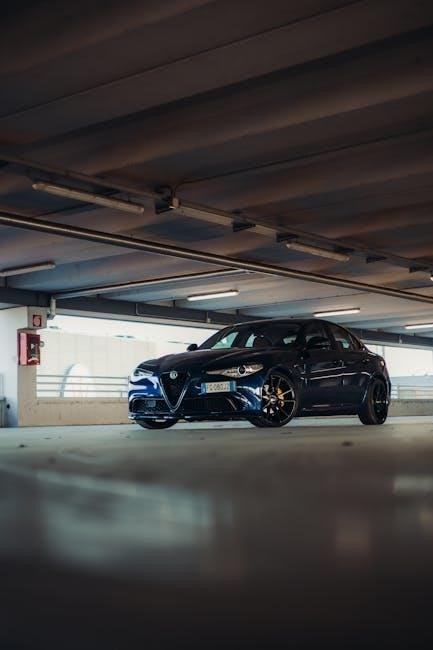
Consulting the owner’s manual or a trusted Alfa Romeo specialist is essential to confirm the precise fluid specification for your vehicle. Regarding change intervals, a conservative approach is best. A fluid change every 30,000 miles or 36 months is a good starting point.
However, owners who frequently engage in spirited driving, track days, or operate in harsh conditions should consider shortening this interval to 20,000-25,000 miles. Regularly checking the fluid level and condition can also help determine if an earlier change is needed, especially if jerky shifting is observed.
DIY Maintenance vs. Professional Servicing
Performing some maintenance tasks on the Alfa Romeo Giulia’s manual transmission yourself can be rewarding and cost-effective, but it’s crucial to assess your mechanical skills honestly. Simple tasks like checking transmission fluid levels are easily within reach for most owners. However, a full fluid change requires specific tools and knowledge to avoid leaks or damage.
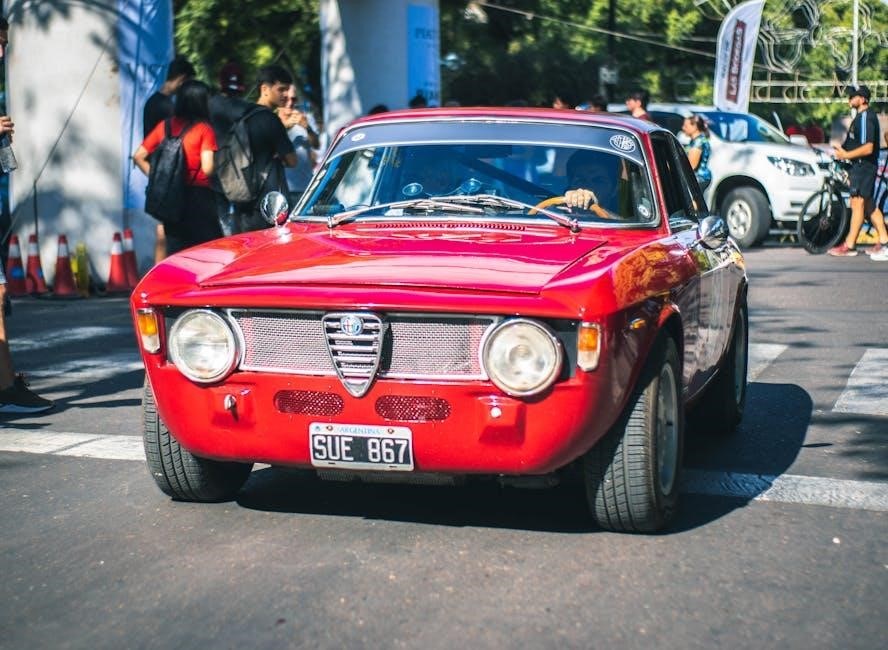
More complex repairs, such as clutch replacement or addressing internal transmission issues, are best left to qualified professionals. These procedures demand specialized expertise, diagnostic equipment, and a thorough understanding of the Giulia’s intricate systems.
Attempting such repairs without the necessary skills could lead to further complications and potentially expensive consequences. While DIY can save money on routine maintenance, prioritizing professional servicing for major repairs ensures the longevity and reliable operation of your manual transmission. Always err on the side of caution.
Resources for Giulia Manual Transmission Owners
Alfa Romeo Giulia manual transmission owners benefit from a growing online community dedicated to sharing knowledge and support. Several dedicated forums, like those found on Alfa Romeo enthusiast websites, provide a platform for discussing common issues, repair procedures, and modifications.
YouTube channels, such as Ron’s Rides, offer valuable visual guides and insights into the Giulia’s mechanics, including transmission-related topics. These resources can be incredibly helpful for DIY maintenance or understanding professional repair recommendations.
Furthermore, accessing the official Alfa Romeo workshop manuals provides detailed technical information and specifications. Parts suppliers specializing in Italian vehicles can also offer expert advice and genuine components. Utilizing these resources empowers owners to proactively maintain their manual transmissions and address any concerns effectively.

Future Prospects for Manual Transmissions in Alfa Romeo Vehicles
The discontinuation of the manual transmission in the Alfa Romeo Giulia reflects a broader industry trend towards automatic gearboxes, driven by consumer preference and performance optimization. However, a resurgence of enthusiast demand for manual options exists, potentially influencing future model development.
While Alfa Romeo hasn’t explicitly announced plans for a manual transmission return, the brand’s commitment to driver engagement suggests it remains a possibility; Factors like evolving emissions regulations and the increasing sophistication of automatic transmissions could also play a role.
Ultimately, the future availability of a manual gearbox in Alfa Romeo vehicles hinges on market demand and engineering feasibility. The passionate community surrounding the Giulia continues to advocate for a manual option, potentially swaying the manufacturer’s decision-making process in upcoming models.