
PFR 97 Mixing Instructions: A Comprehensive Guide
PFR 97’s effective application hinges on precise mixing; this guide details crucial steps for optimal results, ensuring compatibility and safe usage for growers.
PFR 97 is a revolutionary microbial insecticide, utilizing Steinernema carpocapsae, a beneficial nematode, to combat a wide spectrum of soil-dwelling insect pests. This naturally occurring organism offers a sustainable and effective alternative to conventional chemical controls. Understanding its unique mode of action is key to successful implementation.
Unlike traditional insecticides, PFR 97 doesn’t rely on harsh chemicals; instead, the nematodes actively seek out and infect target insects, releasing symbiotic bacteria that quickly incapacitate the pest. This biological approach minimizes environmental impact and reduces the risk of resistance development. Proper mixing is paramount to ensure the nematodes remain viable and effectively dispersed for optimal pest control within the soil environment.
What is PFR 97 and its Uses?
PFR 97 20 WDG is a microbial insecticide containing Steinernema carpocapsae, designed for controlling soil-borne pests like white grubs, cutworms, thrips pupae, and other larval stages. It’s a wettable powder formulation, meaning it needs thorough mixing with water to create a suspension for application.
Its primary uses center around preventative and curative control in various agricultural settings, including nurseries, greenhouses, and field crops. PFR 97 is particularly effective against insects feeding on plant roots, offering a biological solution for managing damaging infestations. Compatibility with beneficial arthropods and most insecticides (following label guidelines) expands its utility. However, strict adherence to mixing instructions is vital for maximizing efficacy and avoiding potential issues with other products.
Safety Precautions Before Mixing
Prior to mixing PFR 97, always review the product label and Safety Data Sheet (SDS) for comprehensive safety information. Wear appropriate personal protective equipment (PPE), including gloves, eye protection (goggles or face shield), and a dust mask, especially when handling the powder concentrate.
Mixing should occur in a well-ventilated area to avoid inhalation of dust. Avoid contact with skin and eyes; if contact occurs, rinse thoroughly with water. Keep children and pets away from the mixing area and treated areas until dry. Ensure proper storage of PFR 97, away from food, feed, and water sources. Follow all local and national regulations regarding pesticide handling and disposal.
Mixing PFR 97 with Water
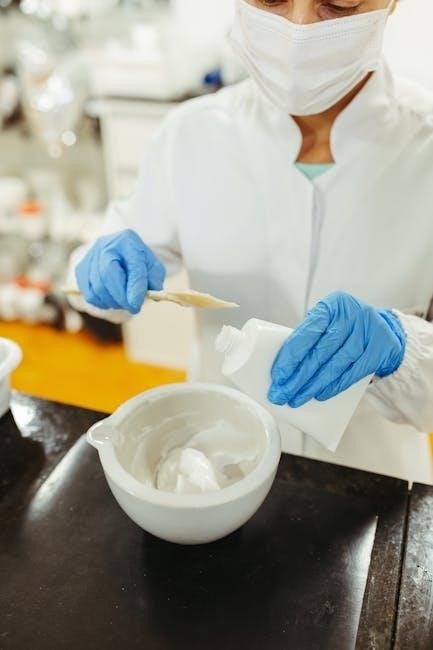
PFR 97 requires thorough mixing with water for effective dispersal; agitation is key, utilizing rates of 14-28 ounces per 100 gallons.
Recommended Mixing Rates
PFR 97’s recommended mixing rates are carefully calibrated to balance efficacy and cost-effectiveness. Generally, a range of 14 to 28 ounces of PFR 97 per 100 gallons of water is advised. The precise rate within this spectrum depends on the target pest, the severity of the infestation, and the specific crop being treated.
For lighter infestations or preventative applications, 14 ounces per 100 gallons may suffice. However, for more established or severe pest pressures, increasing the concentration to 28 ounces per 100 gallons is recommended. Always prioritize using the higher rate when dealing with difficult-to-control pests. It’s crucial to adhere to these guidelines to ensure optimal performance and avoid under-treatment, which could lead to resistance development.
Calculating the Correct Dosage
Accurate dosage calculation is paramount for successful PFR 97 application. Begin by determining the total volume of water needed for your target area. If applying per acre, and using 1 to 2 lbs of PFR 97, calculate the water volume accordingly. Remember the recommended mixing rate is 14-28 ounces per 100 gallons.
To simplify, use this proportion: (Desired ounces of PFR 97 / 100 gallons) = (Total gallons needed / Amount of PFR 97 to add). For example, if you need 500 gallons and want to use 20 ounces per 100 gallons, you’d calculate (20/100) = (500/X), solving for X to find the total ounces of PFR 97 required.
Water Quality Considerations
The quality of water used for mixing PFR 97 significantly impacts its efficacy. Ideally, use water with a neutral pH (around 6.5-7.0). Highly alkaline or acidic water can reduce the viability of the microbial spores. Avoid using water sources with high levels of chlorine, as chlorine is detrimental to the beneficial microorganisms within PFR 97.
If using well water, consider testing it for mineral content and pH. Municipal water sources often contain chlorine; allow the water to sit for 24-48 hours to allow chlorine to dissipate before mixing. Always add PFR 97 to water, never water to the product, to ensure proper dispersion and prevent clumping.
Mixing Procedure – Step-by-Step
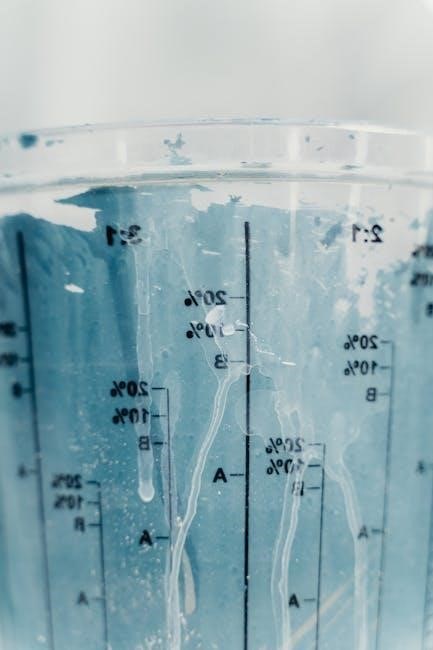
Follow these steps for successful PFR 97 mixing: prepare water, add the product, agitate thoroughly, and verify a uniform suspension before application.
Step 1: Preparing the Water
PFR 97 requires properly prepared water for optimal suspension and efficacy. Begin with clean, non-chlorinated water, as chlorine can negatively impact the viability of the microbial spores. The water’s pH should ideally be between 6.0 and 7.0; adjustments may be necessary depending on your water source.
Ensure the water is at room temperature, avoiding extremes of hot or cold, which can also affect spore viability. Fill the mixing tank with approximately 75% of the required water volume before adding PFR 97. This pre-filling facilitates better dispersion of the product. Continuously agitate the water gently as you add the remaining volume to create a vortex, aiding in the initial mixing process. Thorough water preparation is foundational for a successful application.
Step 2: Adding PFR 97 to the Water
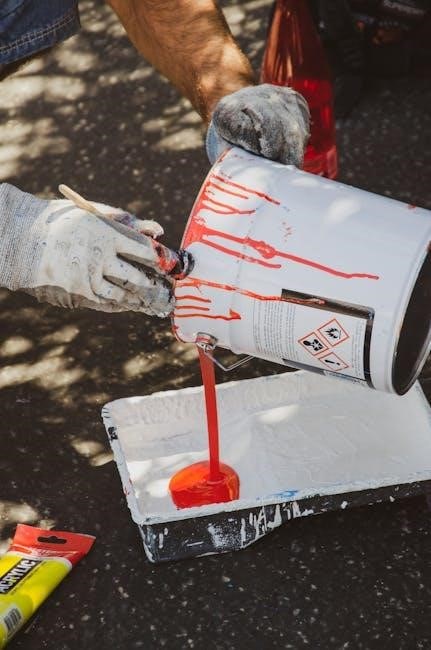
With the water adequately prepared, carefully add PFR 97 to the mixing tank. It’s crucial to use the recommended dosage – typically 14 to 28 ounces per 100 gallons of water – based on your specific application needs. Slowly pour the PFR 97 into the vortex created by the gentle agitation, preventing clumping and ensuring even distribution.
Avoid dumping the entire amount at once. Gradual addition is key. As the powder enters the water, maintain consistent agitation. Observe for any immediate signs of clumping; if present, increase the agitation speed. Ensure the powder doesn’t settle on the bottom of the tank before fully dispersing. This step sets the stage for a homogenous suspension.
Step 3: Agitation and Mixing Time
Maintaining consistent agitation is paramount after adding PFR 97 to the water. Continue mixing for a minimum of 20 to 30 minutes. This extended period is vital for achieving a thoroughly dispersed suspension, ensuring the product’s efficacy. Regularly inspect the tank, checking for any settled material or clumps.
If clumps persist, increase the agitation speed or utilize a different mixing nozzle. Proper agitation guarantees uniform distribution of the microbial spores throughout the water. Insufficient mixing can lead to uneven application and reduced pest control. A well-mixed solution is the foundation for successful PFR 97 application.
Step 4: Ensuring a Well-Dispersed Suspension

After the recommended agitation period, visually inspect the mixture to confirm a uniform, well-dispersed suspension of PFR 97. The solution should appear homogenous, without visible settling or clumping. A simple test involves taking samples from various depths of the tank – these samples should exhibit consistent color and texture.
If inconsistencies are observed, continue agitation for an additional 10-15 minutes. A properly dispersed suspension is crucial for even application and optimal pest control. Remember, PFR 97 relies on consistent spore distribution to effectively target pests. Prioritize thorough mixing for maximum product performance.
Compatibility with Other Products
PFR 97 generally mixes well with most pesticides and beneficial arthropods, but avoid combining it with fungicides, except copper-based ones.
PFR 97 and Insecticides
PFR-97 demonstrates excellent compatibility with a wide range of insecticides, offering growers flexibility in integrated pest management programs. However, it’s crucial to adhere strictly to label instructions for all products involved in any tank mixture. Always prioritize the most restrictive label limitations and precautions when combining PFR-97 with insecticides.
Before mixing, carefully review the insecticide label to confirm its suitability for combination with biological control agents like PFR-97. Ensure the insecticide won’t negatively impact the viability of the Bacillus thuringiensis strain within PFR-97. When permitted, mixing can broaden the spectrum of pest control, addressing multiple threats simultaneously. Remember, proper mixing and application techniques are paramount for maximizing efficacy and minimizing potential adverse effects on non-target organisms.
PFR 97 and Copper-Based Fungicides
PFR-97 exhibits notable compatibility with copper-based fungicides, a significant advantage for growers managing both insect pests and fungal diseases. Unlike many other fungicides, copper-based formulations generally do not negatively impact the performance of PFR-97, allowing for concurrent application to address multiple plant health concerns.
However, a critical restriction applies: PFR-97 should not be mixed with other fungicides besides copper-based options. Furthermore, avoid applying PFR-97 within five days of any fungicide application that isn’t copper-based. This precaution safeguards the viability of the beneficial bacteria in PFR-97, ensuring its effectiveness against targeted insect pests. Always consult product labels for specific recommendations and restrictions.
Fungicide Mixing Restrictions
PFR-97 demonstrates specific limitations regarding fungicide compatibility, crucial for maintaining its efficacy. While it performs well alongside copper-based fungicides, mixing with other fungicide types is strictly prohibited. This restriction stems from potential antagonistic interactions that can diminish the viability of the beneficial bacteria within PFR-97, reducing its insecticidal properties.
Beyond avoiding direct mixing, a five-day separation is mandatory when applying PFR-97 in relation to any fungicide application excluding copper-based treatments. This buffer period allows PFR-97 to establish itself without interference. Always prioritize the most restrictive label limitations and precautions when combining products, ensuring optimal plant protection and responsible application practices.

Application Methods After Mixing
PFR-97 suspension can be applied to moist soil at 1 to 2 lbs per acre, followed by irrigation to carry spores to the root zone.
Soil Application Rates
PFR-97 demonstrates optimal efficacy when applied directly to the soil, targeting root-feeding pests. The recommended application rate generally falls between 1 to 2 pounds per acre, contingent upon the severity of the infestation and the specific crop being treated.
Prior to application, ensure the soil is adequately moist or pre-irrigated. This moisture is crucial for facilitating the movement of the PFR-97 spores into the root zone, where the target pests reside. Following the spray application of the PFR-97 suspension, immediate irrigation – utilizing a watering can, hose, or overhead sprinkler system – is essential.
This irrigation step actively carries the beneficial spores downwards, maximizing contact with the pests and enhancing the overall effectiveness of the treatment. Consistent monitoring of soil moisture levels post-application is also recommended to maintain optimal conditions for microbial activity.
Application Following Mixing
Once PFR-97 is thoroughly mixed with water, prompt application is vital to maintain the suspension’s integrity and maximize its effectiveness. The mixed solution should be applied as a soil spray, ensuring even coverage across the targeted area.
For optimal results, apply the suspension directly to moist or pre-irrigated soil. This provides an ideal environment for the PFR-97 spores to thrive and reach the root zone, where many damaging pests reside.
Following the spray application, immediate irrigation is crucial. Utilize methods like watering cans, hoses, or overhead sprinklers to carry the spores into the soil, enhancing contact with pests. Consistent monitoring of soil moisture post-application supports continued microbial activity and sustained pest control.
Irrigation Requirements Post-Application
Sufficient irrigation following PFR-97 application is paramount for successful pest control; The goal is to effectively transport the microbial spores down into the soil profile, reaching the target pests. Immediate irrigation after spraying, using methods like watering cans, hoses, or overhead sprinklers, is highly recommended.
Maintaining consistent soil moisture in the days following application is also crucial. This supports the germination and activity of the PFR-97 spores, maximizing their impact on pest populations. Avoid allowing the soil to dry out completely, as this can reduce the product’s efficacy.
Monitor soil moisture levels and irrigate as needed, adjusting based on weather conditions and soil type, to ensure optimal microbial performance and long-lasting pest suppression.
Troubleshooting Mixing Issues
PFR 97 mixing can sometimes present challenges like clumping or incomplete suspension; prompt attention and adjustments are key to achieving a usable solution.
Dealing with Clumping
PFR 97, being a wettable granular formulation, can occasionally exhibit clumping during mixing, particularly if water quality is suboptimal or agitation is insufficient. If clumping occurs, immediately increase the agitation intensity and duration. Ensure the mixing tank is adequately sized to allow for proper dispersion.
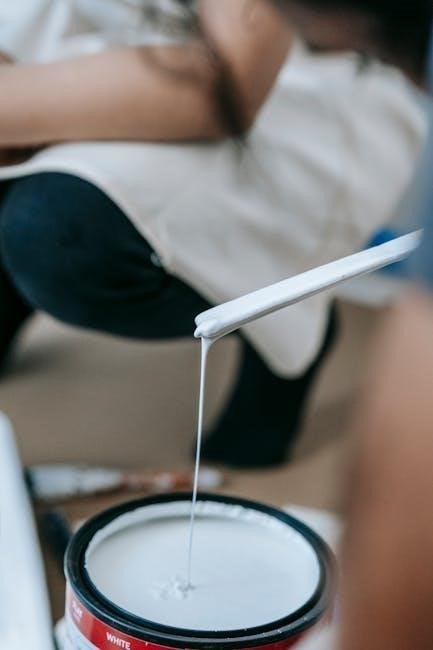
A helpful technique involves initially creating a slurry with a small volume of water before gradually adding the remaining water. This pre-wetting helps break down clumps. Inspect the mixture closely; if clumps persist after extended agitation, consider passing the solution through a strainer or screen (80-100 mesh) to remove them. However, avoid excessively forceful straining, as this could damage the microbial spores. Maintaining consistent agitation throughout the application process is also crucial to prevent re-clumping.
Addressing Incomplete Suspension
An incomplete suspension of PFR 97 indicates the product isn’t evenly distributed within the water, reducing its efficacy. If, after the recommended mixing time (20-30 minutes), the mixture appears uneven or particles settle rapidly, extend the agitation period. Verify the agitator is functioning correctly and positioned to create a vortex throughout the tank.
Check water pH; extreme pH levels can hinder suspension. Adding a buffering agent might be necessary. A visual inspection is key – a properly suspended solution will appear uniformly cloudy. If issues persist, a small sample can be observed over time to assess settling rates. Consistent monitoring during application is vital to maintain a homogenous mixture and ensure uniform pest control.
What to Do if Incorrectly Mixed
Discovering an incorrectly mixed batch of PFR 97 requires immediate action to prevent ineffective application and potential harm. If the dosage was miscalculated, do not apply the mixture. Dispose of it properly, following local regulations, and remix a fresh batch with the correct proportions.
If incompatible products were added, the entire mixture should be discarded. Never attempt to correct an incompatible mix. For incomplete suspensions, extend agitation, but if uniformity isn’t achieved, dispose and remix. Thoroughly clean the mixing equipment before preparing a new batch. Accurate measurement and adherence to label instructions are crucial to avoid these issues.

Storage and Disposal of Mixed Solution
PFR 97 mixed solutions should be used promptly; avoid prolonged storage. Dispose of any remaining solution responsibly, adhering to local environmental guidelines.
Shelf Life of Mixed PFR 97
PFR 97 mixed solutions do not possess an extended shelf life and are best utilized immediately after preparation. The microbial nature of the product means its efficacy diminishes over time when held in a diluted state.
Ideally, the entire mixed volume should be applied within 24 hours of combining PFR 97 with water. Beyond this timeframe, the viability of the beneficial microorganisms begins to decline, potentially reducing the product’s effectiveness in controlling target pests.
Storage of mixed solutions, even under refrigerated conditions, is not recommended as it doesn’t significantly halt the degradation process. Always prioritize preparing only the amount of solution needed for immediate application to maximize pest control benefits.
Proper Disposal Methods
PFR 97, being a biological product, presents relatively low environmental risks, but responsible disposal of mixed solutions is still crucial. Unused or leftover mixed solution should be applied to a designated area as if performing a normal application, following labeled rates.
Avoid discharging any remaining solution into drains, sewers, or natural waterways; If application to land isn’t feasible, allow the solution to dry out completely in a well-ventilated area before disposing of the dried residue with regular trash.
Rinse empty containers thoroughly with water, adding the rinse water to the application area. Dispose of rinsed containers in accordance with local regulations for pesticide containers.