

Before operating your Craftsman pressure washer, read the owner’s manual carefully. Follow all safety rules, keep the unit away from flammable materials, and wear protective gear. Never expose the engine or hose to excessive heat or direct flame. Keep unit on flat groundOK

Safety Rules and Precautions
Before using your Craftsman pressure washer, read the Owner’s Manual thoroughly. Keep the unit on a flat, stable surface and never operate it on wet or uneven ground. Do not point the nozzle at people, pets, or any moving objects. Wear safety goggles, gloves, and closed‑toed shoes to protect against splashes and debris. Keep the hose away from the engine muffler and any heat source to prevent damage or fire. Never use the unit near open flames, gasoline, or other flammable materials. Do not operate the washer with a damaged hose, nozzle, or any part that shows wear or cracks. Keep the unit away from electrical outlets and avoid contact with water sources that could cause electric shock. Do not allow children or untrained users to operate the machine. Always ensure the engine is cool before performing maintenance or refilling oil. Do not use the washer in rain or when the surrounding area is wet, as this increases the risk of electrical hazards. Keep the unit dry and store it in a dry, well‑ventilated area. Follow all manufacturer warnings and never exceed the specified pressure or flow rate. If the unit makes unusual noises, leaks, or shows signs of malfunction, stop use immediately and consult the manual or a qualified technician. By following these precautions, you can safely enjoy the power and efficiency of your Craftsman pressure washer.

Additionally, before each use, inspect the hose for kinks, holes, or fraying, and replace it if necessary. Check the nozzle for clogs and clean or replace it as recommended. Ensure the water supply is adequate and that the inlet valve is fully open. Keep the unit’s fuel tank full to prevent sputtering. When starting the engine, pull the starter lever firmly and hold the trigger lightly to avoid sudden pressure spikes. After use, allow the unit to cool for at least 30 minutes before refilling oil or performing any maintenance. Store the unit in a dry place, and cover it with a protective cover to prevent dust accumulation.
Recommended Protective Gear
When operating a Craftsman pressure washer, wearing the proper protective equipment is essential to prevent injuries from high‑pressure water jets, debris, and engine heat. The following gear is recommended for all users:
- Eye protection – Safety goggles or a face shield keep water, splinters, and chemical droplets out of the eyes.
- Hand protection – Thick, cut‑resistant gloves shield hands from splashes, hot surfaces, and sharp nozzle tips.
- Footwear – Closed‑toed, non‑slip boots protect feet from kicks, falling objects, and high‑pressure spray.
- Body coverage – Long‑sleeved shirts and pants reduce skin exposure to splashes and hot engine parts. Wear a high‑visibility vest near traffic.
- Hearing protection – Earplugs or earmuffs help prevent noise‑induced hearing loss.
- Respiratory protection – Use a dust mask or respirator in dusty or chemical‑laden areas.
- Head protection – Wear a hard hat near overhead power lines or construction zones.
Always! inspect gear! for damage before use! replace worn items, and follow care! instructions. Proper gear protects operators! and ensures safety compliance!
Model Specifications and Performance
Craftsman pressure washers feature varying horsepower, PSI, and GPM ratings. Models range from 3.8 HP 1650 PSI 2 GPM to 9.0 HP 3000 PSI 3 GPM, offering versatile cleaning power for residential and commercial use. Each unit includes a durable pump and reliable engine. Enjoy!!
6.0 HP 2350 PSI 2.2 GPM Model Overview
Model 6.0 HP 2350 PSI 2.2 GPM delivers high‑pressure cleaning for heavy‑duty jobs. The Briggs‑Schneider 6‑HP engine runs on 5 gal gasoline, giving 90 minutes of continuous use. Its 2350 PSI pump and 2.2 GPM flow provide efficient coverage. Features include a 4‑way trigger, quick‑connect hose, built‑in gauge, and 12‑inch wand with 90‑degree spray. The 12‑inch wand offers a 90‑degree spray pattern, while the adjustable nozzle allows pressure settings from 800 PSI to 2350 PSI, giving users flexibility for different cleaning tasks. The aluminum housing is engineered to withstand high temperatures, and the rubber seals ensure long‑term durability. Keep water at 120 °F or cooler, and allow 2 minutes cooling between uses. The 1.5‑inch hose is compatible with most standard fittings, making it easy to connect to existing equipment. Oil fill port is clearly marked with an icon, and the electric start lever is positioned on the left side for easy access. A built‑in filter prevents debris from entering the pump, ensuring consistent performance. Regular oil changes every 50 hours of operation extend engine life. Warranty covers parts and labor for one year from the date of purchase. Follow the manual for safety, maintenance, and troubleshooting. Contact Craftsman support or visit the website for assistance. The unit’s ergonomic handle and lightweight design make it easy to maneuver around corners and tight spaces. Enjoy reliable, powerful cleaning with this Craftsman pressure washer.
9.0 HP 3000 PSI 3 GPM Model (919.763010)
Model 919.763010 delivers 9;0 HP, 3000 PSI, and 3 GPM, making it ideal for commercial and heavy‑duty residential use. The Briggs‑Schneider 9‑HP engine runs on 5 gal gasoline and provides up to 90 minutes of continuous operation. Its 3000 PSI pump and 3 GPM flow rate offer powerful, efficient cleaning for decks, vehicles, and large surfaces. Features include a 4‑way trigger, quick‑connect hose, built‑in gauge, and 12‑inch wand with 90‑degree spray. The wand’s adjustable nozzle allows pressure settings from 800 PSI to 3000 PSI, giving users flexibility for different surfaces. The aluminum housing is engineered to withstand high temperatures, and rubber seals ensure long‑term durability. Keep water at 120 °F or cooler, and allow 2 minutes cooling between uses. The 1.5‑inch hose is compatible with most standard fittings, making it easy to connect to existing equipment. Oil fill port is clearly marked with an icon, and the electric start lever is positioned on the left side for easy access. A built‑in filter prevents debris from entering the pump, ensuring consistent performance. Regular oil changes every 50 hours of operation extend engine life. Warranty covers parts and labor for one year from the date of purchase. Follow the manual for safety, maintenance, and troubleshooting. Contact Craftsman support or visit the website for assistance. The unit’s ergonomic handle and lightweight design make it easy to maneuver around corners and tight spaces; Enjoy reliable, powerful cleaning with this Craftsman pressure washer. For optimal performance, inspect the hose and nozzle for cracks before each use, and replace any worn parts immediately. Always keep the unit on a stable surface and avoid over‑pressurizing the system beyond manufacturer limits. If the pressure gauge reads above 3000 PSI, shut off the unit and check for leaks or blockages. Use only the recommended fuel and oil to maintain engine longevity.!!!
4.5 HP 1800 PSI Model Overview
Model 919.763010 (4.5 HP, 1800 PSI) is designed for light‑to‑moderate cleaning tasks such as patio, driveway, and vehicle washing. The Briggs‑Schneider 4.5‑HP gasoline engine delivers 1800 PSI at 2 GPM, providing a balance of power and fuel efficiency. The pump’s aluminum housing protects against corrosion, while the rubber seals keep water out of the engine compartment. A 4‑way trigger allows users to select between 800 PSI, 1200 PSI, 1800 PSI, and 2400 PSI settings, giving flexibility for different surfaces. The 12‑inch wand features a 90‑degree nozzle and a quick‑connect hose for easy attachment to standard fittings. The built‑in pressure gauge displays real‑time PSI and flow rate, ensuring safe operation. The unit includes an oil fill port marked with a clear icon, and an electric start lever on the left side for convenient ignition. The 1.5‑inch hose is compatible with most standard fittings, and the wand’s lightweight design makes maneuvering simple. Regular maintenance includes checking the oil level every 50 hours and replacing the filter after 200 hours of use. The manual recommends using only the specified fuel and oil to maintain engine longevity. The warranty covers parts and labor for one year from the purchase date. For troubleshooting, the manual lists common issues such as low pressure, overheating, and leaks, with step‑by‑step fixes. Keep unit level, avoid over‑press at 1800 PSI.
Model 919.763010 delivers 1800 PSI at 2 GPM, powered by a Briggs‑Schneider 3.8‑HP gasoline engine that balances strength and fuel efficiency. The aluminum pump resists corrosion, while rubber seals keep water out of the engine compartment. A 4‑way trigger offers selectable pressures—800, 1200, 1800, and 2100 PSI—so users can adjust spray for delicate or tough surfaces. The 12‑inch wand features a 90‑degree nozzle and a quick‑connect hose compatible with standard fittings. A built‑in pressure gauge shows real‑time PSI and flow, ensuring safe operation. The unit’s oil fill port is clearly marked, and an electric start lever on the left side allows easy ignition. Regular maintenance includes checking oil every 50 hours and replacing the filter after 200 hours of use. Use only the specified fuel and oil to maintain engine longevity. Troubleshooting notes cover low pressure, overheating, and leaks with step‑by‑step fixes. Keep the unit level, avoid over‑press at 1650 PSI, and follow all safety rules in the owner’s manual for reliable, safe operation.
Keep the inlet filter daily clean and replace it every 200 hours to maintain flow. Inspect hose for kinks and secure connections. If the gauge reads below 1500 PSI after an hour, examine the pump seal and relief valve for blockage. Allow the unit to cool for 10 minutes before refilling oil or maintenance.

Assembly and Setup
Attach the 12‑inch hose to the quick‑connect fitting, secure the wand, and attach the nozzle. Fill the oil port with the recommended oil, close the cap, and start the engine with the lever. Check the gauge; it should read 1650 PSI before use. Keep unit level during use daily.
Connecting Hose and Nozzle
Before connecting the hose, ensure the pressure washer is off and the engine is cool. Use the manufacturer’s 12‑inch hose; attach one end to the quick‑connect fitting on the unit, then secure the other end to the wand. Tighten the quick‑connect collar until it clicks, but avoid overtightening to prevent damage. Next, attach the nozzle to the wand tip, selecting the appropriate spray pattern for the task. Verify that the nozzle is seated firmly and that the hose is free of kinks or sharp bends. Once the hose and nozzle are connected, check for leaks at the fittings by turning on the unit briefly and observing the pressure gauge. If any fluid drips, tighten the fittings slightly and retest. Always keep the hose away from the engine muffler and hot surfaces to prevent heat damage. When the hose is properly connected, you can proceed to start the engine using the start lever, allowing the pump to build pressure before engaging the trigger. This ensures a safe and efficient operation. Remember to inspect the hose for any signs of wear, such as cracks or bulges, before each use. If you notice any damage, replace the hose immediately. Also, ensure the nozzle is clean and free of debris to maintain optimal spray performance. Finally, keep the pressure washer in a dry, well‑ventilated area when not in operation to prevent rust and corrosion. Keep safe.!
Oil Fill Port and Engine Start Lever
Locate the oil fill port on the left side of the engine block, marked with a red cap. Remove the cap, pour the recommended oil grade—typically 10W‑30—until the level reaches the marked line. After filling, replace the cap securely and wipe any spilled oil from the surrounding area. The engine start lever is positioned on the right side of the unit, near the handle. To start the washer, ensure the trigger is released, the unit is on a level surface, and the fuel cap is closed. Pull the lever firmly and hold it for a few seconds until the engine cranks. Once the engine is running, allow it to warm up for a minute before engaging the pressure pump. If the engine does not start, check the fuel level, spark plug, and air filter. Keep the area around the start lever clear of obstructions to prevent accidental pulls. Regularly inspect the oil fill port for leaks and the start lever for wear. Proper maintenance of these components ensures reliable operation and prolongs the life of your Craftsman pressure washer. Use a funnel when adding oil to prevent spills and verify dipstick level. Engage the start lever only after the water tank is empty to avoid water ingress. If the engine stalls, inspect spark plug and replace it fouled. Keep oil ports and lever free of debris!
Operation Guidelines
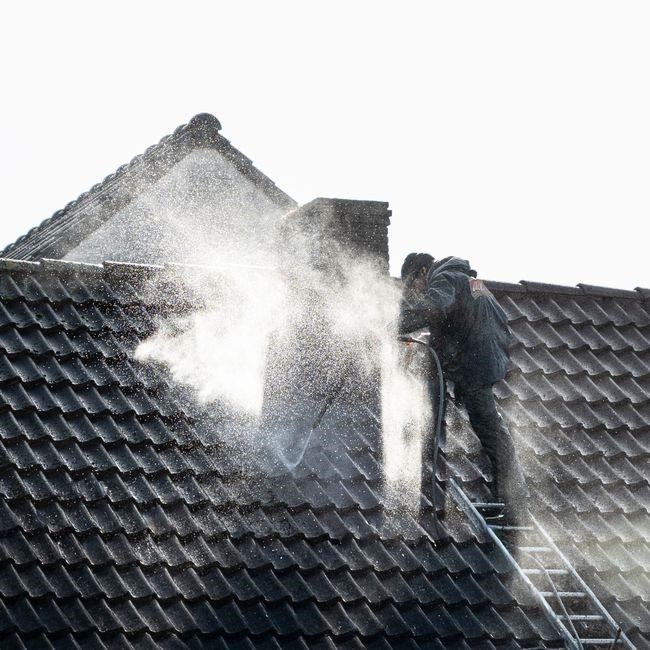
Follow the owner’s manual for safe operation. Keep the trigger released when idle, use cool water, and never exceed the recommended pressure. Check hoses for leaks, keep the unit on level ground, and avoid spraying at eye level. Follow all safety rules. Check for leaks. Now
Pump Operation and Cool Water Use
When operating the Craftsman pressure washer, keep the trigger released for at least two minutes after the pump has been running to allow cool water to enter the pump and prevent overheating. The pump is designed to maintain high pressure, but continuous operation without a cooling interval can damage the pump bearings. Before starting, ensure the water supply is at the correct pressure and that the hose is free of kinks. The engine should be started with the unit on a flat surface, and the oil fill port must be checked for proper oil level. Use only the recommended oil type and fill to the indicated mark. When the pump is running, monitor the pressure gauge; if it exceeds the rated PSI, shut down immediately and allow the system to cool. The trigger should be used in short bursts, not held continuously, to avoid excessive heat buildup. After each use, inspect the pump for leaks, and if any are found, tighten fittings or replace damaged parts. Always keep the unit away from heat sources and avoid spraying at eye level. Follow these steps to ensure safe and efficient pump operation and to extend the life of your Craftsman pressure washer.
inlet filter replace it 6 months. If the gauge reads above rated PSI for more than 30 seconds, shut down and inspect for leaks. Keep the unit shad to prevent engine overheating during use fordaily use now!
Trigger and Pressure Control
Use the trigger to control the flow of water and the pressure output. When you first start the unit, allow the pump to reach operating pressure before applying full force. The pressure gauge on the unit will display PSI; keep it within the manufacturer’s rated range. For a 6.0 HP model, the maximum is 2350 PSI; for a 9.0 HP model, it is 3000 PSI. If the gauge reads higher than the rated value, immediately release the trigger and let the pump cool for at least two minutes. The trigger should be pressed slowly and released in short bursts to prevent overheating. Adjust the trigger’s pressure setting by turning the pressure dial on the nozzle or the unit’s pressure regulator if your model has one. A higher setting will produce a stronger jet, useful for heavy grime, but it also increases the risk of splashing and injury. Always aim the nozzle at a safe distance, and never point it at people or animals. When using the pressure washer outdoors, keep the unit on a level surface and avoid spraying on wet or slippery ground. If you notice any abnormal noise or vibration, stop the unit immediately and inspect the hose for damage. Clean the trigger guard and replace worn seals to maintain pressure control. By following these guidelines, you can safely manage the trigger and pressure settings for optimal cleaning performance now. Keep the unit on level ground use now!!
Maintenance and Troubleshooting
Regular maintenance keeps your Craftsman washer running smoothly. Check oil level, replace the filter, and inspect hoses for cracks. If the unit stalls, clean the air filter and ensure the fuel line is clear. For leaks, tighten fittings and replace damaged seals Check seals!
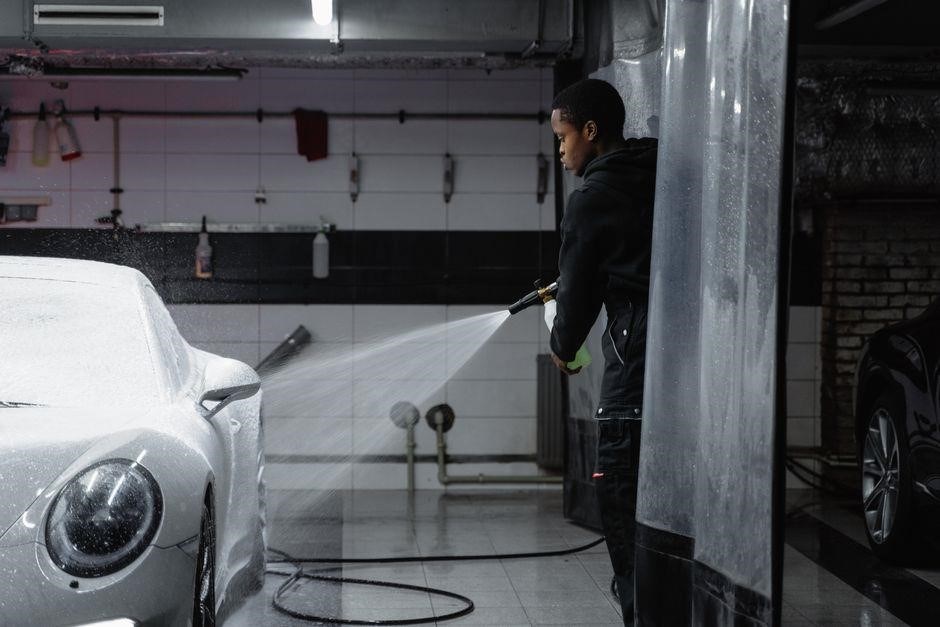
Before operating your Craftsman pressure washer, read the owner’s manual carefully. Follow all safety rules, keep the unit away from flammable materials, and wear protective gear. Never expose the engine or hose to excessive heat or direct flame. Keep unit on flat groundOK
Routine Maintenance Tasks
Perform routine checks to keep your Craftsman washer in peak condition. Before each use, inspect the power cord, hose, and nozzle for cracks or wear. Tighten all fittings securely to prevent leaks. Drain the fuel tank after prolonged storage and replace the fuel filter to avoid clogging. Check the oil level using the dipstick; add the recommended oil type if below the minimum mark. Replace the air filter every 50 hours of operation or sooner if the unit is used in dusty environments. Inspect the spray gun for blockages; clean the nozzle with a small brush or a dedicated nozzle cleaning kit. Verify the pressure gauge reads within the manufacturer’s specified range; if it shows a sudden drop, check for a clogged filter or a damaged pump seal. Maintain the cooling system by ensuring the water inlet is free of debris and that the water supply is stable
Inspect the spark plug for fouling and replace it if it shows signs of wear. Clean the inlet screen with a soft brush to keep debris out of the pump. Inspect the pressure relief valve for proper operation. Keep a spare nozzle set on hand for quick replacements. Use a pressure washer cleaning kit for deep nozzle cleaning. Always check the water inlet filter monthly. Store the unit on a level surface
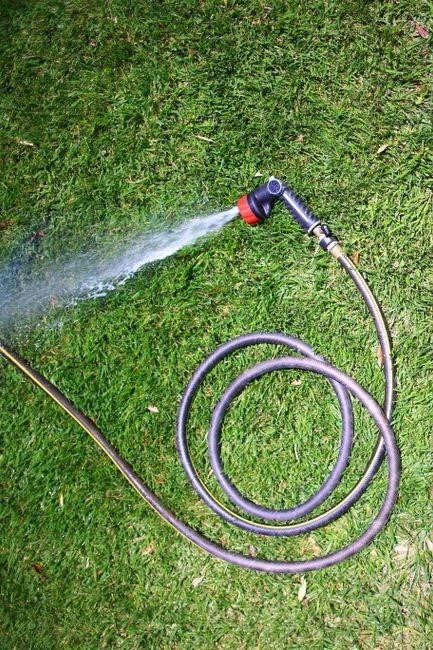
Common Issues and Fixes
When a Craftsman pressure washer exhibits reduced pressure, first check the inlet filter for clogging and clean or replace it. A clogged pump seal can cause leaks; replace the seal kit following the manual’s instructions. If the unit won’t start, verify the fuel level, ensure the spark plug is clean, and check the ignition coil. A faulty fuel filter may restrict flow; replace it with a compatible part.
If the spray gun drips or has uneven spray, inspect the nozzle for mineral buildup; clean with a small brush or a vinegar soak. A humming or whining noise, inspect the drive belt for wear and tension; replace or adjust as needed. A sudden drop in pressure during operation often indicates a blocked pressure relief valve; remove debris and test the valve’s operation.
If the engine stalls during use, check the air filter for dirt and replace it. Ensure the cooling water inlet is not obstructed; a blocked inlet can overheat the pump. For excessive vibration, confirm the unit is on a level surface and that all mounting bolts are tightened. If the unit emits a strong fuel odor, inspect for fuel leaks at the fuel cap and hose fittings; tighten or replace seals. Finally, if the pressure gauge reads incorrectly, calibrate it per the manual or replace the gauge if damaged.
Regular maintenance and prompt attention to these common problems will extend the life of your Craftsman pressure washer and keep it running efficiently.