
Minka Aire Wall Switch Manual: A Comprehensive Guide
Navigating Minka Aire fan controls requires understanding wiring‚ compatibility‚ and troubleshooting. This guide details solutions‚ including Lutron switches and remote alternatives‚ addressing common issues and space limitations.
Understanding Minka Aire Fan Control Systems
Minka Aire fan control systems typically employ a binary signal method‚ meaning the fan operates based on simple on/off commands rather than variable dimming like some lighting systems. This is evident in the wiring configurations where a hot/cold pair transmits the electrical signal. The fan’s receiver‚ located within the canopy‚ interprets these signals and directs operation – fan speed‚ light function‚ or both – via the transmitter.
Many Minka Aire fans are designed to function with both a wall switch and a remote control simultaneously. However‚ the complexity arises from how the light is wired. Often‚ the light cannot be wired to function with both a switch and the remote; it’s typically one or the other. This necessitates understanding the fan’s specific wiring scheme. The system relies on the wall switch to send a basic power signal‚ while the remote handles more nuanced control.
Furthermore‚ compatibility issues can emerge when attempting to integrate smart switches‚ as evidenced by reported problems with Lightwave fans and the WCS213 wall switches. Therefore‚ a thorough understanding of the system’s fundamentals is crucial for successful installation and operation.
Wall Switch Compatibility Issues
Integrating third-party wall switches with Minka Aire fans often presents challenges‚ primarily due to the binary nature of their control systems. Many standard smart switches are designed for dimmable lights‚ which doesn’t align with the on/off functionality of most Minka Aire fan motors. Attempts to use incompatible switches can result in erratic fan behavior or complete failure.
A prominent example is the confirmed incompatibility between Minka Aire Lightwave fans and the Lutron WCS213 wall switches. Users have reported issues despite successful integration with other Minka Aire models‚ highlighting the variability across product lines. This underscores the importance of verifying compatibility before purchase and installation.
Space constraints within electrical boxes also contribute to compatibility problems. Modern smart switches are often larger than traditional switches‚ leaving insufficient room for wiring‚ especially in older homes. This limitation can restrict the choice of compatible switches. Ultimately‚ careful research and potentially contacting Minka Aire support are vital to avoid frustrating compatibility issues.
Lutron PD-FSQN Fan Switch Integration
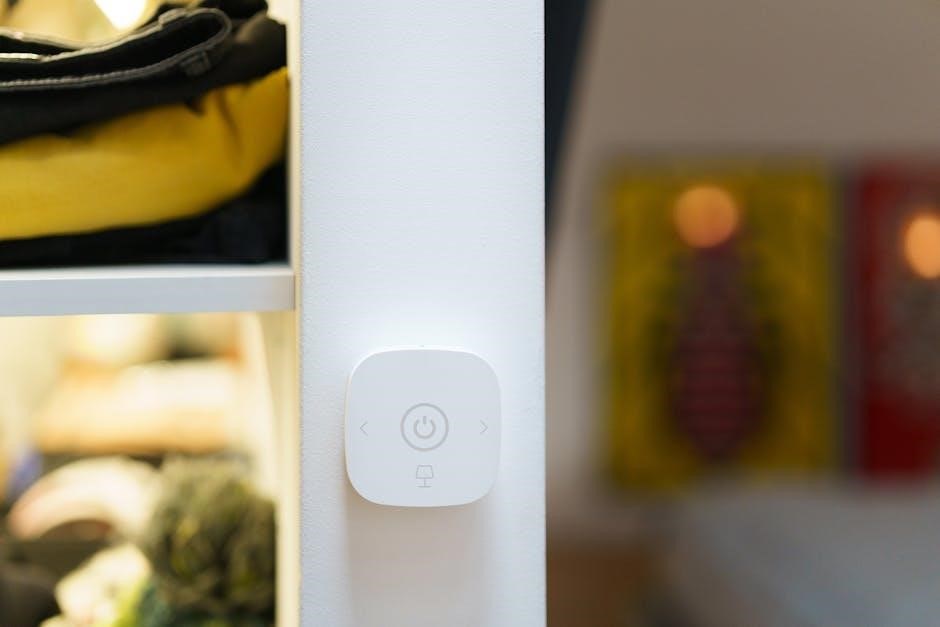
The Lutron PD-FSQN fan switch emerges as a viable solution for controlling certain Minka Aire fan models‚ offering a smart home integration option. Unlike many standard smart switches‚ the PD-FSQN is specifically designed for fan control‚ accommodating the binary on/off signals utilized by Minka Aire’s systems. However‚ success isn’t guaranteed across all models; careful verification remains crucial.
User experiences indicate successful integration‚ particularly with older Minka Aire fans employing a neutral‚ ground‚ and hot/cold wiring configuration. This setup allows the Lutron switch to effectively manage the fan’s speed and light functions. Installation typically involves replacing the existing wall switch with the PD-FSQN‚ following Lutron’s wiring instructions meticulously.
Despite its compatibility‚ potential challenges exist. Some users report needing to adjust settings within the Lutron app to achieve optimal fan control. Furthermore‚ the PD-FSQN may not support all advanced features of certain Minka Aire fans. Thorough testing post-installation is recommended to ensure full functionality.
Minka Aire and Lightwave Fan Incompatibility (WCS213)
A confirmed incompatibility exists between Minka Aire fans and the Lightwave WCS213 wall switches‚ a critical detail for users considering smart home integration. Multiple reports and direct confirmation from Minka Aire highlight issues preventing reliable control when these two systems are paired. This incompatibility stems from differing communication protocols and signal interpretations.
Users attempting to utilize the WCS213 with Minka Aire fans have experienced erratic behavior‚ including unresponsive controls‚ unintended fan speeds‚ and inability to manage lighting functions. The WCS213 appears unable to correctly interpret the binary signals transmitted by Minka Aire’s receiver units‚ leading to unpredictable outcomes.
Given this established incompatibility‚ attempting to force a connection is strongly discouraged. It’s advisable to explore alternative smart switch options‚ such as the Lutron PD-FSQN‚ specifically designed for fan control and proven compatible with certain Minka Aire models. Relying on the WCS213 will likely result in frustration and a non-functional setup.

Troubleshooting Wall Switch Malfunctions
When encountering issues with your Minka Aire wall switch‚ systematic troubleshooting is crucial. Begin by verifying the wiring connections at both the switch and the fan receiver‚ ensuring secure and correct placement of neutral‚ ground‚ and hot/cold wires. A loose connection is a frequent culprit.
If the switch remains unresponsive‚ suspect a faulty switch itself. Borrowing a known-good switch from a local dealer for testing is highly recommended – a quick and effective diagnostic step. Simultaneously‚ consider the receiver unit; a malfunctioning receiver can mimic switch problems. Testing with a different‚ confirmed-working receiver can isolate the issue.
Remember Minka Aire fans often utilize binary signal control. Confirm the switch is sending a compatible signal. If problems persist‚ contact Minka Aire support‚ but be prepared for potentially limited assistance. Document all troubleshooting steps taken to expedite the process and potentially identify patterns.
Identifying a Faulty Wall Switch
Pinpointing a defective wall switch requires careful observation and elimination of other potential causes. A key indicator is complete unresponsiveness – the fan fails to react to any switch position. Intermittent operation‚ where the fan works sporadically‚ also strongly suggests a switch issue.
Visually inspect the switch for any physical damage‚ such as cracks or loose buttons. However‚ internal failures are common and invisible. The most reliable method is direct comparison. Substitute the suspected faulty switch with a known-good‚ compatible switch. If the fan functions flawlessly with the replacement‚ the original switch is confirmed as defective.
Be mindful of the binary signal nature of Minka Aire systems. A faulty switch might send an incorrect or inconsistent signal. Remember user reports highlight wall switch malfunctions as a common problem‚ so don’t dismiss this possibility. Prioritize testing before assuming receiver or wiring issues;
Testing with a Known Good Wall Switch
Employing a known-good wall switch is the most definitive method for diagnosing a faulty control. This involves temporarily replacing the suspected defective switch with one confirmed to be working correctly. Ensure the replacement switch is compatible with your Minka Aire fan control system – a Lutron PD-FSQN is often recommended for testing purposes.

Carefully disconnect power to the fan before swapping switches. Follow standard electrical safety procedures. Once the replacement is installed‚ restore power and observe the fan’s behavior. If the fan now operates flawlessly across all speed and light settings‚ the original switch is undoubtedly the source of the problem.
This test effectively isolates the switch as the issue‚ eliminating the receiver‚ wiring‚ and fan motor as potential culprits. If the problem persists with the known-good switch‚ the fault lies elsewhere. Remember to document your findings for future troubleshooting or when contacting Minka Aire support.
Receiver and Sender Considerations
Minka Aire fan systems rely on a two-part control mechanism: a receiver unit installed within the fan canopy and a sender‚ typically integrated into the wall switch or handheld remote. Understanding their interaction is crucial for troubleshooting. The receiver decodes signals from the sender‚ translating them into commands for the fan motor and light kit.
If issues arise‚ consider the possibility of a malfunctioning receiver. Symptoms include erratic fan behavior‚ inability to control speed or light‚ or complete fan inoperability. Similarly‚ a faulty sender can prevent communication with the receiver. Testing with a known-good remote can help isolate sender problems.
In some cases‚ both the receiver and sender may need replacement‚ particularly if they’ve experienced electrical surges or prolonged use. When replacing‚ ensure compatibility with your specific fan model. Minka Aire support can provide guidance on appropriate receiver/sender pairings.
Wiring Configurations: Fan and Wall Switch
Minka Aire fan wiring commonly employs a binary signal control system‚ utilizing a neutral‚ ground‚ and a hot/cold pair to transmit electrical signals. This setup allows the fan’s transmitter to manage functions like light control‚ fan speed‚ and on/off operation. Proper wiring is paramount for safe and reliable performance.
When integrating a wall switch‚ it’s essential to identify the existing wiring configuration. Typically‚ the wall switch provides power to the receiver within the fan. Ensure the neutral wire is correctly connected‚ as it’s vital for the receiver’s operation. Grounding is also crucial for safety‚ preventing electrical shocks.
Carefully examine the wiring diagram included with your fan and wall switch. Incorrect connections can damage the fan or create a fire hazard. If unsure‚ consult a qualified electrician. Remember that some older installations may lack a neutral wire at the switch location‚ potentially complicating the process.
Neutral‚ Ground‚ and Hot/Cold Wiring
Understanding the roles of neutral‚ ground‚ and hot/cold wires is fundamental when installing or troubleshooting a Minka Aire fan with a wall switch. The neutral wire (typically white) provides a return path for the electrical current‚ essential for the receiver’s operation within the fan. A missing or improperly connected neutral can cause malfunctions.
The ground wire (usually green or bare copper) is a safety feature‚ diverting stray electricity to prevent shocks. Always connect the ground wire securely to the grounding screw in both the electrical box and the fan receiver. The hot/cold wires (typically black and sometimes red) carry the power supply.
“Hot/cold” refers to the phase and potentially a switched hot for light control. Binary signal control utilizes these to dictate fan and light functions. Incorrectly identifying or connecting these wires can lead to short circuits or damage. Always verify wiring with a multimeter and consult the fan’s wiring diagram before proceeding.
Binary Signal Control Explained
Minka Aire fans often employ binary signal control‚ a system where the wall switch transmits simple on/off signals to the fan’s receiver. This differs from analog dimming‚ relying on distinct states – power present or absent – to activate functions. The receiver then interprets these signals to control fan speed‚ light intensity‚ or both.
Essentially‚ the hot/cold wiring delivers these binary commands. A single hot wire might activate the fan‚ while a second‚ switched hot wire controls the light. The receiver decodes which combination of signals is present‚ determining the desired outcome. This system is common in setups where a traditional wall switch is used alongside a remote control.
Understanding this binary nature is crucial for troubleshooting. If a function isn’t responding‚ it’s often due to a break in the signal path‚ a faulty switch‚ or a misconfigured receiver. It’s a simplified control method‚ but requires correct wiring and a functioning receiver to operate effectively.
Remote Control and Wall Switch Combination
Many Minka Aire fans are designed to function with both a remote control and a wall switch‚ offering flexible control options. The wall switch typically acts as a master on/off‚ controlling power to the fan and receiver. The remote then manages more granular functions like speed settings and light dimming.
However‚ compatibility can be complex. Some setups allow independent control of both fan and light via the wall switch‚ while others limit the switch to simply turning the entire unit on or off. Understanding your specific model’s configuration is vital. Often‚ the receiver interprets signals from both sources‚ prioritizing the remote for advanced features.
If issues arise‚ consider whether the wall switch is interrupting the remote’s signal. A faulty switch can prevent the receiver from responding to remote commands. Utilizing both systems effectively requires a clear understanding of how your fan is wired and programmed to respond.
Using a Second Remote as an Alternative
When wall switch compatibility proves problematic‚ a practical workaround is employing a second Minka Aire remote control. This bypasses the switch entirely‚ providing full functionality without relying on potentially incompatible wiring or smart home integrations. The additional remote offers a dedicated control solution‚ especially useful if a suitable replacement switch isn’t found.
Mounting the second remote on a blank wall plate creates a convenient‚ centralized control point. This mimics the functionality of a traditional wall switch‚ offering easy access to fan speeds‚ light settings‚ and other features. It’s a cost-effective solution‚ avoiding complex electrical work or the need for specialized smart switches.
Ensure the replacement remote is compatible with your fan model. While many remotes are universal‚ verifying compatibility guarantees all features will operate correctly. This method is particularly effective when space constraints in the electrical box prevent installing larger smart switches.
Mounting a Remote on a Blank Plate
A clever solution for maintaining control when a wall switch fails or isn’t desired is mounting a Minka Aire remote onto a standard‚ blank wall plate. This transforms the remote into a fixed‚ easily accessible control station‚ mirroring the convenience of a traditional switch. It’s a particularly effective strategy when dealing with limited space within the electrical box‚ preventing the installation of larger smart switch alternatives.
Secure the remote to the plate using adhesive strips or small screws‚ ensuring it’s firmly attached and doesn’t wobble. Consider the remote’s orientation for comfortable use. This method avoids complex wiring and offers a straightforward‚ user-friendly experience.
For a cleaner aesthetic‚ choose a blank plate that matches your existing wall décor. This creates a seamless integration‚ making the remote appear as a deliberate design element rather than a temporary fix. It’s a cost-effective and practical solution for continued fan operation.
Space Constraints in Electrical Boxes
A recurring challenge when upgrading Minka Aire fan controls is the limited space available within standard electrical boxes. Many users report encountering “zero extra space” when attempting to install larger smart switches‚ like Lutron models‚ alongside existing wiring. This is a common issue‚ particularly in older homes where electrical boxes were not designed to accommodate modern‚ bulkier devices.
The tight confines can make wire connections difficult and potentially unsafe‚ increasing the risk of shorts or overheating. Attempting to force a larger switch into a cramped box can damage the wiring or the switch itself. Careful assessment of the box’s capacity is crucial before any installation attempt.
Alternatives‚ such as mounting a remote control on a blank plate‚ become particularly appealing when space is restricted. Prioritizing safety and proper installation is paramount; if unsure‚ consult a qualified electrician.
Limited Space for Smart Switches
The integration of smart switches with Minka Aire fans often hits a snag: insufficient space within the electrical box. Modern smart switches‚ while offering enhanced control‚ generally have larger footprints than traditional fan controls; This presents a significant hurdle‚ especially in pre-wired installations.
Users frequently discover that existing boxes‚ particularly in older homes‚ lack the volume to comfortably house a smart switch alongside the necessary wiring – including neutral‚ ground‚ and hot/cold pairs. This constraint isn’t merely about physical fit; it impacts the ability to make secure and compliant wire connections.
Forcing a switch into an overcrowded box risks damaging wires‚ creating short circuits‚ or compromising the overall safety of the installation. Exploring alternative control methods‚ like utilizing a second remote‚ becomes a practical solution when faced with these spatial limitations. Careful planning and measurement are essential before purchasing any smart switch.
Contacting Minka Aire Support
When troubleshooting Minka Aire wall switch issues‚ direct contact with their customer support team can be invaluable‚ though experiences vary. Many users report challenges navigating support channels‚ expressing frustration with response times and the effectiveness of solutions provided.
Despite these concerns‚ Minka Aire’s official support remains a primary resource for compatibility questions‚ particularly regarding specific switch models like the Lutron PD-FSQN or the Lightwave WCS213. Documenting your fan model‚ wiring configuration (binary signal control‚ neutral/ground/hot wiring)‚ and the exact problem encountered will streamline the process.
Be prepared to provide detailed information about any attempted troubleshooting steps‚ including testing with a known good switch or exploring remote control alternatives. While some users advocate for seeking assistance from local dealers‚ Minka Aire’s direct support is often necessary for complex compatibility issues or warranty claims.
Customer Support Experiences
User feedback regarding Minka Aire’s customer support is notably mixed‚ with a recurring theme of difficulty and delayed responses. Several individuals have shared experiences of “losing faith” in customer service departments generally‚ and specifically encountering hurdles when seeking assistance with wall switch compatibility or malfunctions.
Common complaints center around lengthy wait times‚ unhelpful initial responses‚ and a perceived lack of technical expertise regarding complex wiring scenarios – particularly those involving binary signal control and smart switch integration. Some users report needing multiple follow-up attempts to resolve issues‚ even simple ones like identifying a faulty wall switch.
Conversely‚ a minority of customers have reported positive experiences‚ highlighting helpful representatives who provided effective solutions. However‚ these instances appear less frequent. Proactive documentation of your setup (fan model‚ wiring‚ switch type) and a clear description of the problem are crucial for maximizing the chances of a successful support interaction.
Alternative Wall Control Options
When facing compatibility issues or limitations with standard wall switches‚ exploring alternative control methods becomes essential. The Lutron PD-FSQN fan switch emerges as a frequently recommended solution‚ successfully implemented by some users to manage Minka Aire fans‚ despite initial concerns about binary signal control.
However‚ complete reliance on a single switch might not always be feasible‚ particularly given space constraints within electrical boxes. A practical workaround involves supplementing or replacing the wall switch with a second Minka Aire remote control‚ mounted neatly on a blank two-gang plate. This provides redundancy and convenient access to all fan functions.
Further investigation into other compatible smart switches is advisable‚ though thorough research is crucial to confirm functionality. Regularly checking for firmware updates for both the fan receiver and any integrated smart switches can also unlock improved compatibility and performance. Prioritize options offering broad control capabilities.
Exploring Other Compatible Switches
Beyond the Lutron PD-FSQN‚ investigating alternative smart switch options requires careful consideration of Minka Aire’s binary signal control system. Many modern smart switches prioritize dimming functionality‚ which isn’t always directly applicable to fan speed control‚ potentially leading to limited or non-functional operation.
Focusing on switches specifically designed for fan control‚ or those offering extensive customization options‚ is paramount. Users should scrutinize product specifications and online forums for reported compatibility experiences with Minka Aire fans. Compatibility isn’t guaranteed‚ and trial-and-error may be necessary.
Before purchasing‚ verify the switch’s voltage and amperage ratings align with the fan’s requirements. Consider switches supporting multiple control signals to manage both fan speed and light functions independently. Remember‚ limited space within electrical boxes can restrict choices‚ favoring compact switch designs. Thorough research and a willingness to experiment are key to finding a suitable alternative.
Updating Firmware for Compatibility
While less common with traditional wall switches‚ exploring firmware updates for both the fan receiver and any integrated smart switches is a crucial troubleshooting step. Minka Aire occasionally releases firmware updates to address compatibility issues or enhance functionality‚ particularly when interacting with newer control systems.
Check the Minka Aire website for available updates specific to your fan model. The update process typically involves downloading the firmware to a compatible device (often a remote control) and then transmitting it to the fan receiver. Ensure a stable power supply during the update to prevent data corruption.
For smart switches‚ consult the manufacturer’s app or website for firmware updates. These updates may include improved compatibility protocols or bug fixes that resolve communication problems with the fan. Remember to carefully follow the manufacturer’s instructions during any firmware update process‚ as incorrect procedures can render the device unusable. Regular checks for updates can proactively prevent compatibility conflicts.